Navigating Legal Waters: Understanding Your Rights after a Cruise Ship Injury
Cruise vacations are often associated with relaxation and adventure, but accidents can happen when you least expect them. If you've suffered an injury while aboard a cruise ship, understanding your rights is crucial. This article navigates the complexities of maritime law and the role of a cruise ship injuries lawyer in advocating for those injured at sea.
1. Recognizing the Complexity of Maritime Law
Maritime law is a specialized field that governs incidents on navigable waters, including those involving cruise ships. When an accident occurs on a cruise ship, different rules apply compared to land-based personal injury claims. For instance, the statute of limitations for filing injury claims is typically shorter, and legal proceedings may be governed by international treaties or foreign jurisdictions depending on where the incident occurred or the vessel's registration.
2. Potential Causes of Cruise Ship Injuries
Injuries on cruise ships can arise from various situations such as slips and falls on wet decks, food poisoning from onboard restaurants, or accidents during shore excursions. Unforeseen weather conditions can also contribute to injuries if passengers are not properly secured during rough seas. The vast range of potential hazards underscores the importance of having a knowledgeable attorney who understands the nuances of maritime incidents.
3. The Role of a Cruise Ship Accident Attorney
A cruise ship accident attorney is instrumental in guiding injured parties through their legal options following an incident at sea. These attorneys have expertise in identifying responsible parties—be it the cruise line, staff members, or equipment manufacturers—and determining liability under maritime law. They work diligently to ensure that clients receive fair compensation for medical expenses, lost wages due to missed work, and pain and suffering.
4. Steps After Sustaining an Injury on a Cruise Ship
If you experience an injury while cruising:
- Seek medical attention immediately and document all treatments.
- Report the incident to ship personnel and obtain a copy of this report.
- Collect evidence such as photographs of where the accident occurred and contact information from witnesses.
- Avoid signing any documents or accepting settlements from cruise line representatives without consulting an attorney.
5. Why Legal Representation Matters
Navigating maritime claims without professional legal representation can be overwhelming for individuals unfamiliar with this area of law. A personal injury attorney with experience in cruise ship cases will handle all aspects—from filing paperwork within tight deadlines to negotiating with powerful corporations that operate these vessels.
Legal advocates provide much-needed support during recovery from your injuries so that you can focus on healing while they concentrate on securing compensation that reflects your ordeal’s true impact.
Conclusion:
An enjoyable vacation turned traumatic due to an unexpected injury demands both compassion and legal acuity—an intersection where dedicated attorneys operate effectively. Seeking assistance from a qualified cruise ship injuries lawyer ensures that someone with expertise is fighting for your rights while you embark upon the path toward recovery after an unfortunate event at sea.

Navigating Legal Waters: Understanding the Role of Cruise Ship Injury Lawyers
Cruises are often seen as the epitome of relaxation and luxury, but when accidents happen on the high seas, they can quickly turn into complicated legal matters. For those who have suffered an injury aboard a cruise ship, understanding how to navigate the legal landscape is paramount. This is where cruise ship injury lawyers come into play. Their role is crucial in helping victims receive fair compensation for their injuries and losses. Here are five key points detailing what individuals should know about engaging with attorneys in this niche legal field:
1. The Complexities of Maritime Law
Maritime law governs incidents that occur on navigable waters, including cruise ships. It is a specialized area of law with unique rules and regulations that differ from those on land. When seeking representation for a cruise ship-related injury, it's essential to work with an attorney well-versed in maritime law. They possess deep knowledge of the intricacies involved and understand how to effectively advocate within this distinct legal framework.
2. Types of Cases Handled
Cruise ship injury lawyers manage a variety of cases stemming from incidents onboard these vessels. Common situations include slip and falls, food poisoning, injuries from onboard activities or excursions, assaults by crew members or fellow passengers, and illnesses due to unsanitary conditions. These attorneys have experience across a broad spectrum of claims related to maritime adventures gone awry.
3. Jurisdictional Challenges
One major obstacle in cruise ship injury cases is determining jurisdiction—where the lawsuit can be filed—which often depends on several factors such as the location where the incident occurred, where the ticket was purchased, or specific clauses within the passenger ticket contract. Experienced attorneys can decipher these complexities and ensure that your case is brought before an appropriate court.
4. Time Limitations for Filing Claims
Another critical aspect that cruise ship accident attorneys will emphasize is the statute of limitations for filing personal injury claims in maritime law which may be shorter than traditional personal injury claims on land. Furthermore, some cruise lines require written notice of claims within a certain timeframe after an incident occurs. Failure to adhere to these deadlines could result in losing your right to file a claim altogether.
5. Gathering Evidence at Sea
Collecting evidence following an accident on a cruise ship presents unique challenges compared to incidents that occur on land due to factors like international waters and transient populations (crew and passengers). Skilled attorneys know how important it is to act swiftly in gathering testimonies from witnesses, obtaining surveillance footage if available, documenting injuries through medical reports, and securing any other relevant evidence before it becomes inaccessible.
It's crucial for injured parties to seek out counsel promptly after an incident has occurred—preferably before disembarking at their final destination or as soon thereafter as possible—to preserve their rights and gather pertinent information while still fresh.
In conclusion, when unfortunate events lead to personal harm aboard a cruise liner, retaining skilled counsel who understands the nuances of maritime law becomes essential in seeking justice and compensation for incurred damages. A dedicated attorney will provide robust representation throughout each stage—from investigating your claim thoroughly to navigating complex maritime regulations all while advocating vigorously for your rights as an injured passenger at sea.

Understanding the Role of Cruise Ship Accident Attorneys
A vacation on a cruise ship offers a unique experience with the promise of relaxation, adventure, and luxury. However, amidst the vast expanse of the ocean and the complex operations of a cruise liner, accidents can occur. When they do, passengers may find themselves facing not only physical injuries but also navigating a maze of legal complexities. This is where cruise ship accident attorneys come into play – advocating for those injured while on what should have been an idyllic getaway.
1. Maritime Law Knowledge:
Cruise ship accident attorneys are well-versed in maritime law – a distinct body of law governing maritime questions and offenses. It's different from standard personal injury law due to its unique principles and international aspects. An attorney with expertise in this field will understand how to navigate these laws effectively when representing clients who have experienced accidents at sea.
2. Investigative Resources:
Investigating an accident that occurred on a cruise ship presents unique challenges due to the location and jurisdiction issues. Experienced attorneys have access to resources such as professional investigators who specialize in maritime cases. These experts can gather evidence crucial for building strong cases, including interviewing witnesses, collecting surveillance footage from the vessel, and obtaining incident reports.
3. Liability Assessment:
Determining liability in cruise ship accidents can be complex due to multiple potential responsible parties – including the cruise line, crew members, or even equipment manufacturers. A seasoned attorney will assess all aspects of the case to determine who is at fault and pursue accountability from all liable entities.
4. Compensation Claims:
Victims may incur significant medical expenses, lost wages due to time off work, ongoing rehabilitation costs, not to mention pain and suffering after an accident onboard a cruise ship. A knowledgeable attorney can accurately value these damages and ensure that any claim includes fair compensation for both current and future needs resulting from the injury.
5. Litigation Experience:
If negotiations do not result in an adequate settlement offer or if liability is disputed by the responsible parties, it may be necessary to take legal action in court. Cruise ship accident attorneys possess litigation experience specifically tailored to maritime claims; they know how best to present your case before a judge or jury if it comes down to pursuing justice through trial.

Navigating Cruise Ship Accident Claims with a Dedicated Attorney
Cruising is a popular vacation choice for millions of people worldwide, offering the allure of exotic destinations and the convenience of an all-inclusive experience. However, accidents can occur even in this seemingly idyllic setting. When they do, passengers may find themselves needing the services of a Cruise Ship Injury Attorney to help navigate the complexities of maritime law and seek fair compensation for their injuries. Here are five key considerations when dealing with cruise ship accidents:
1. Understanding Maritime Law
Maritime law is a distinct body of law that governs maritime questions and offenses. It's a specialized field that covers all facets of legal work related to shipping and navigation on oceans and other navigable waters. When an accident occurs on a cruise ship, maritime law typically applies, making it imperative to consult with an attorney familiar with these regulations. Unlike land-based personal injury laws, maritime law includes specific statutes such as the Jones Act, which may affect the rights and remedies available to injured parties.
2. Common Types of Cruise Ship Accidents
Cruise ship accidents can range from slips and falls on wet decks to more severe incidents like onboard fires or collisions. Other common types include food poisoning, swimming pool accidents, tender boat mishaps, and recreational activity-related injuries. Understanding the various scenarios where harm could occur is crucial in determining liability and potential claims.
3. Reporting and Documentation
In the event of an injury on board a cruise ship, prompt reporting and thorough documentation are essential steps toward protecting one’s legal rights. Passengers should report their injuries to cruise ship officials immediately and seek medical attention if necessary. Additionally, gathering evidence such as photographs of the scene, witness statements, and copies of medical reports can be invaluable when filing a claim.
4. Statute of Limitations
One important aspect often overlooked by injured passengers is the statute of limitations – the limited time frame within which legal action must be initiated following an accident or injury. In many cases involving cruise ships, this period can be significantly shorter than typical personal injury cases on land due to contractual stipulations set forth by the cruise line company in passenger ticket contracts.
5. Choosing The Right Attorney
When seeking representation for a cruise ship accident claim, choosing an attorney who has experience handling such cases is important for achieving favorable outcomes. A dedicated Cruise Ship Accident Attorney will have not only knowledge about maritime law but also experience dealing with major cruise lines’ legal teams who are often well-versed in defending against such claims.
A seasoned Personal Injury Attorney well-versed in maritime issues can make all the difference in seeking justice for individuals affected by unfortunate incidents at sea or port stops during their voyage.
Navigating these complex waters requires expertise that only comes from years dedicated to representing clients against large leisure companies while understanding both intricate laws governing waterways as well as nuances associated with cruising experiences.
Facing any form of harm during what should be relaxing getaway adds undue stress; however, knowing there are professionals adept at guiding victims through these tough situations offers reassurance during trying times.
Having rigorous advocates working tirelessly towards attaining rightful compensation allows affected parties focus on recovery rather than daunting legal proceedings ahead.
The assurance provided by qualified representation means one less worry among many following unexpected events disrupting anticipated peaceful vacations—especially when it comes down facing off against formidable oppositions presented by corporate entities operating luxurious liners across globe-spanning routes.
With right support system place backed up extensive industry-specific insight into relevant legislative frameworks pertaining specifically towards oceanic travel excursions gone awry ensures higher chances success stories emerging aftermath distressing occurrences taking away joy from supposed leisurely adventures out open seas.
Choosing proficient counsel specializing within realms personal injury litigation extends beyond mere expertise—it symbolizes beacon hope navigating murky depths potential disputes arising unlikely happenings whilst aboard floating havens away home shores.

Navigating Legal Waters: The Role of a Cruise Lawyer in Personal Injury Cases
When it comes to the complexities of maritime law and personal injury, the expertise of a cruise lawyer can be invaluable. For those who have suffered injuries on a cruise ship, understanding the nuances of legal proceedings in this niche area is crucial for seeking fair compensation. Here's a closer look at how a cruise lawyer can assist passengers following an unfortunate incident:
1. Understanding Maritime Law
Maritime law is a distinct body of law governing maritime questions and offenses. It's an intricate field that combines aspects of both domestic and international law. A cruise lawyer is well-versed in these regulations and uses this knowledge to navigate cases involving accidents or injuries at sea effectively.
2. Investigating Cruise Ship Accidents
After an accident on a cruise ship, prompt and thorough investigation is critical to building a strong case. A cruise lawyer will gather evidence, interview witnesses, and work with experts to understand what happened and who is liable. This process includes examining safety protocols, maintenance records, and crew conduct to identify any negligence or wrongdoing.
3. Representing Injuries from Various Incidents
Cruise ship passengers might experience various incidents that lead to injury, such as slips and falls, food poisoning, swimming pool accidents, or onboard activities gone awry. A personal injury attorney with specific experience in cruise ship accidents will be equipped to handle the diverse nature of these potential claims.
4. Advising on Statute of Limitations
One critical aspect where passengers often need guidance is the statute of limitations for filing an injury claim against a cruise line. These time limits can be significantly shorter than other personal injury cases due to contractual stipulations on tickets or the application of maritime law; thus, swift action by an experienced attorney is imperative.
5. Dealing with International Aspects
Many cruise lines are registered in countries outside the United States, which can introduce additional layers of complexity when pursuing legal action for injuries sustained on board. A knowledgeable cruise lawyer understands how international laws intersect with U.S. laws and how they impact your ability to seek damages.
6. Navigating Jurisdictional Challenges
Jurisdiction can pose another challenge in these cases as cruises often travel through multiple territorial waters or dock in foreign ports; determining where to file suit requires specialized legal insight that a seasoned personal injury attorney provides.
7. Addressing Compensation Claims
A primary goal for victims seeking legal representation after a cruise ship accident is obtaining compensation for their injuries which may include medical expenses lost wages pain suffering emotional distress among others An adept attorney will advocate tirelessly ensuring clients receive the compensation they deserve based on their individual circumstances
8 Assisting with Complex Litigation Processes
Litigation involving large corporations like major cruiselines typically involves complex procedural rules high-stakes negotiations courtroom battles only attorneys intimately familiar intricacies these processes successfully represent plaintiffs’ interests
9 Providing Support Through Recovery
Beyond providing excellent legal counsel part duty involves supporting clients through recovery process This means helping them access medical resources necessary treatment while also offering compassionate guidance during difficult times
10 Ensuring Accountability Compliance
Lastly holding companies accountable compliance safety regulations important aspect work done by Effective representation not only benefits individual client but also serves promote safer environment future passengers highlighting importance adhering industry standards
In summary navigating aftermath incident aboard vessel demands specialized skill set offered by Those injured should seek assistance professional who comprehensively addresses unique challenges inherent within sector With right support individuals families impacted can achieve justice recuperate losses incurred due negligence others

Understanding the Role of a Cruise Ship Accident Attorney
Cruises are often seen as the epitome of relaxation and enjoyment, offering an escape from the daily grind with the promise of adventure on high seas. However, accidents and injuries can occur even in this seemingly idyllic setting, turning a dream vacation into a nightmare. When tragedy strikes aboard a cruise ship, passengers may find themselves needing specialized legal representation—a Cruise Ship Accident Attorney.
Cruise ship injury cases present unique challenges due to international maritime law, venue clauses in passenger tickets, and strict statutes of limitations. These complexities make it imperative for injured parties to seek attorneys with specific experience in maritime law and cruise ship injury claims.
1. Navigating Maritime Law:
Maritime law is a distinct body of law governing nautical issues and private maritime disputes. An attorney specializing in this field understands the nuances of maritime regulations that apply to injury claims on international waters. They can navigate these complex laws to determine liability and pursue justice for their clients.
2. Dealing With Venue Clauses:
Many cruise lines include venue clauses within their ticket contracts, dictating where claims against them must be filed—often in locations advantageous to the cruise line. A skilled Cruise Ship Accident Attorney will have experience challenging such clauses or representing clients in specified jurisdictions while upholding client interests.
3. Statutes of Limitations:
The timeframe for filing a claim for injuries sustained on a cruise ship is typically much shorter than other personal injury cases—sometimes as short as one year from the date of incident. It's crucial to consult with an attorney immediately after an accident to ensure all necessary actions are taken well within these time constraints.
4. Types of Cruise Ship Accidents:
Accidents on cruise ships can range from slip-and-fall incidents due to wet decks to more severe events like onboard fires or collisions at sea. Regardless of the accident type, an attorney familiar with such cases will know how to investigate and prove negligence or misconduct by the cruise line or its staff.
5. Compensation for Victims:
Victims may be entitled to compensation for medical expenses incurred due to their injuries, lost wages if they're unable to work during recovery, pain and suffering experienced as a result of the accident, as well as costs associated with emotional trauma or long-term disabilities resulting from their injuries.

Navigating Legal Waters: The Crucial Role of a Cruise Ship Accident Attorney in Personal Injury Cases
When vacation turns to misfortune aboard a cruise ship, passengers may find themselves in tumultuous legal waters. Cruise ship accidents can range from onboard injuries to unfortunate incidents during shore excursions. In such scenarios, having a specialized personal injury attorney becomes essential to navigate the complex maritime laws and seek justice. Here we will discuss the crucial role of a Cruise Ship Accident Attorney in providing expert legal assistance to those injured on the high seas.
1. Understanding Maritime Law
Maritime law is a distinct body of law that governs maritime questions and offenses. It is a complex mix of international regulations and treaties, as well as domestic laws. A Cruise Ship Accident Attorney brings expertise in maritime law to the table, offering clients an informed perspective on how these laws apply to their specific case. Their intricate knowledge ensures appropriate legal action within the unique jurisdictional framework of maritime incidents.
2. Investigating Accidents Thoroughly
Cruise ship accident cases require thorough investigation due to the multifaceted nature of these incidents. An adept personal injury attorney will scrutinize every detail, from safety protocols aboard the vessel to crew members' conduct and potential negligence. This meticulous approach helps in building a strong case by gathering evidence such as eyewitness accounts, CCTV footage if available, and incident reports.
3. Advocating for Victims' Rights
Victims of cruise ship accidents often face an uphill battle when it comes to claiming compensation. Cruise lines might have stringent stipulations in their passenger ticket contracts that limit legal recourse or dictate inconvenient venues for filing lawsuits. A competent Cruise Ship Accident Attorney advocates for victims’ rights against powerful cruise corporations, ensuring their voices are heard and interests represented effectively.
4. Clarifying Compensation Claims
A key aspect of what a Personal Injury Attorney does involves elucidating types of compensations that victims are entitled to receive after an accident on a cruise ship. These may include medical expenses, lost wages due to inability to work, pain and suffering, and other related damages depending on the case specifics.
5. Offering Support Throughout Legal Proceedings
Navigating through the aftermath of an accident can be emotionally taxing for victims and their families. An empathetic Personal Injury Attorney not only provides legal counsel but also offers emotional support throughout this challenging time. They handle all aspects of litigation so that clients can focus on recovery without being burdened by the complexities of legal procedures.
In conclusion, when cruise vacations go awry due to unforeseen accidents or injuries, passengers need more than just medical attention—they require proficient legal representation that understands the nuances of maritime law and personal injury claims within this context.
A dedicated Cruise Ship Accident Attorney ensures that individuals who suffer injuries while at sea receive fair treatment under the law and adequate compensation for their hardships.
The importance of choosing an attorney with specialized experience in this area cannot be overstated; it’s about securing justice where it's due—amidst international waters or docked at port.
With professional guidance through each step—from initial consultation up until resolution—victims can rest assured knowing they have an advocate fighting fervently on their behalf.
Whether negotiating settlements with cruise lines or representing clients fiercely in courtrooms – skilled attorneys serve as navigational beacons leading towards rightful restitution amidst turbulent tides.
By trusting a seasoned Personal Injury Attorney specializing in cruise ship accidents; injured parties gain access not only expertly crafted strategies but also compassionate support designed alleviate strains associated with pursuing justice after distressing events at sea.

Navigating the Complex Waters of Cruise Ship Accident Claims
Cruise vacations are often seen as the epitome of relaxation and luxury, offering travelers a chance to escape their daily routines and explore exotic locations. However, accidents and injuries can occur on these maritime adventures, turning dream vacations into distressing ordeals. When such unfortunate incidents happen, understanding the role of a Cruise Ship Accident Attorney is critical for passengers seeking justice and compensation. Here’s what you need to know about pursuing a claim in the event of an injury onboard a cruise liner:
1. Understanding Maritime Law
Maritime law is a specialized area that governs incidents at sea, including those involving cruise ships. It differs from laws that apply on land, which means if you’re injured while on a cruise, you’ll need legal representation versed in maritime statutes and international conventions. A proficient Personal Injury Attorney with experience in marine-related cases will be able to navigate these complex legal waters to advocate effectively on your behalf.
2. Statute of Limitations
One crucial aspect that differentiates cruise ship accident claims from other personal injury incidents is the statute of limitations. Typically, cruise liners have stipulations in their passenger contracts that shorten the time frame within which you can file a lawsuit – often to one year from the date of the incident. It's imperative to consult with an attorney as soon as possible after an accident to ensure your claim is filed within these contractual deadlines.
3. Jurisdictional Considerations
Another unique challenge in cruise ship accident claims is determining jurisdiction – where the lawsuit should be filed. Many cruise companies incorporate outside of the United States and register their ships in foreign countries; however, they often require litigation to be pursued in specific U.S. courts as outlined in passenger tickets. An adept attorney will understand how these jurisdictional rules apply and can take appropriate actions to litigate your case.
4. Types of Accidents and Injuries
Accidents aboard cruise ships can range from slip-and-fall incidents due to wet decks or uneven flooring to more severe cases like onboard fires or collisions. Other potential issues include food poisoning, recreational activity accidents, or crimes such as theft or assault. A qualified Personal Injury Attorney will have experience handling various types of injuries and accidents ensuring personalized legal strategies for each case.
5. Proving Negligence
To secure compensation for injuries sustained on a cruise ship, proving negligence by the cruise line or its employees is essential. This may involve demonstrating that they failed to maintain safe conditions or did not follow adequate safety protocols leading up to your injury. Gathering evidence such as incident reports, witness statements, and medical records is crucial for building a strong case against negligent parties.
6. Compensation and Recovery
Compensation sought through a cruise ship accident claim can cover medical expenses, lost wages due to inability to work post-injury, pain and suffering endured because of the incident, as well as costs related to ongoing rehabilitation or therapy required for recovery.
7.Potential ChallengesThe path towards fair compensation following a cruise ship injury isn't always smooth sailing; victims might face resistance from well-funded defense teams hired by major cruise lines aiming to minimize payouts.
8.The Importance Of Experienced Representation
Given these complexities surrounding maritime claims - ranging from stringent filing deadlines under maritime law nuances down through proving liability amidst potential corporate pushbacks - securing experienced representation becomes paramount when advocating passengers' rights effectively after sustaining injuries aboard cruises.
In conclusion, cruisers who find themselves injured during their voyages should seek counsel from attorneys with relevant expertise vehemently versed both within broader personal injury law frameworks alongside specificities surrounding maritime jurisprudence intricately tied into this niche segment’s legal landscape ensuring every passenger stands equipped best possibly towards achieving just outcomes following such traumatic events out on open seas.
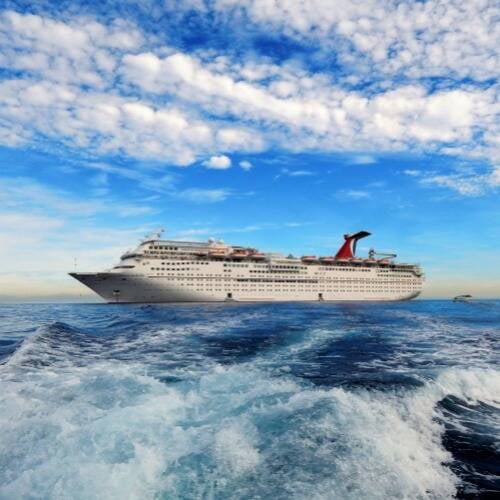
Understanding the Role of Cruise Ship Accident Attorneys
Cruise vacations are a popular choice for many, offering the allure of exotic destinations, onboard entertainment, and relaxation. However, like any form of travel, cruising can also carry risks. When accidents occur on the high seas, passengers may find themselves navigating through unfamiliar legal waters. This is where cruise ship accident attorneys come into play.
1. Navigating Maritime Law:
Maritime law is a distinct body of law that governs maritime questions and offenses. It's a complex field that requires specialized knowledge to effectively represent clients. Cruise ship accident attorneys understand these complexities and are equipped to handle cases ranging from slip and fall incidents to more severe accidents onboard.
2. Advocacy for Victims' Rights:
Victims of cruise ship accidents often face an uphill battle when seeking compensation for their injuries. Cruise lines typically have well-prepared legal teams dedicated to minimizing their liability. An experienced attorney in this field provides the necessary advocacy for victims' rights against these corporate giants.
3. Investigative Resources:
Conducting an investigation into a cruise ship accident can be challenging due to the mobile nature of the venue and jurisdictional issues that may arise from international waters or ports. A qualified attorney has access to resources such as maritime safety experts and investigators who can gather evidence critical to supporting a client's claim.
4. Legal Representation in Court:
If negotiations do not result in an acceptable settlement offer, litigation may be necessary to obtain fair compensation for clients. Cruise ship accident attorneys possess the courtroom experience and strategic expertise required to present cases before a judge or jury effectively.
5. Settlement Negotiation Expertise:
Many personal injury claims result in settlements before reaching court proceedings; however, securing a fair deal requires skilled negotiation tactics that consider all current and future implications of the injury sustained during a cruise vacation. These attorneys are adept at ensuring that settlements cover medical expenses, rehabilitation costs, lost wages, pain and suffering, and other damages incurred by their clients.

Navigating Legal Waters: The Importance of a Cruise Ship Accident Attorney
Cruising is a popular form of vacation, offering an array of activities and amenities for travelers. However, the high seas are not without risks, and accidents aboard cruise ships do occur. When they do, passengers may find themselves in need of legal assistance to navigate the complexities of maritime law. A cruise ship accident attorney plays a crucial role in advocating for victims and helping them secure fair compensation for their injuries. Here are five key aspects that illustrate why having a dedicated attorney is vital when dealing with incidents on cruise vessels.
1. Understanding Maritime Law
Maritime law is a specialized field that governs nautical issues and private maritime disputes. Cruise ship injury claims fall under this category and require an attorney with specific knowledge in this area. These laws can differ significantly from general personal injury laws, encompassing international regulations and treaties that can impact the outcome of a case. An adept cruise ship injuries lawyer understands these nuances and can effectively represent clients whose injuries occurred at sea.
2. Investigating the Incident
Immediately following an incident on a cruise ship, it's imperative to conduct a thorough investigation to establish liability. This process includes gathering evidence such as witness statements, photographs of the scene, medical reports, and any relevant incident reports filed with the cruise line. A competent attorney will have the resources to investigate promptly and efficiently while ensuring that critical evidence is preserved for building a strong case.
3. Dealing with Jurisdictional Challenges
One of the challenges in cruise ship injury cases is determining which court has jurisdiction over the claim. Factors such as where the ticket was purchased, where the passenger resides, or where the vessel is registered can influence jurisdictional matters. Experienced attorneys in this field are familiar with these details and can guide clients through selecting the most favorable jurisdiction for filing their lawsuit.
4. Interpreting Cruise Line Contracts
When purchasing a ticket for a cruise vacation, passengers are often entering into a contract with stipulations that might limit their rights to sue or set conditions for litigation procedures such as arbitration clauses or shortened statutes of limitations. A proficient attorney will review these contractual terms closely to identify any unfair provisions or potential legal strategies to challenge them on behalf of injured passengers.
5. Advocating for Fair Compensation
Victims of cruise ship accidents may suffer physical injuries, emotional trauma, and financial burdens due to medical expenses or lost wages during recovery periods. A dedicated personal injury attorney focuses on securing compensation that reflects not only immediate costs but also potential long-term effects on quality of life caused by the incident. Skilled legal representation ensures that all factors influencing damages are considered during negotiations or litigation.
In summary, when accidents happen aboard cruise ships environments governed by complex maritime laws—a robust legal advocate becomes essential for affected individuals seeking justice and reparation. With expertise in investigating incidents thoroughly, tackling jurisdictional intricacies, dissecting contract language meticulously, and negotiating fair settlements persistently - an experienced cruise ship accident attorney stands as an invaluable ally for those navigating unfamiliar legal waters following unforeseen mishaps at sea.

Navigating the Legal Waters: The Role of a Cruise Ship Accident Lawyer
Setting sail on a cruise is often synonymous with adventure and relaxation. Passengers anticipate picturesque vistas, exotic destinations, and carefree entertainment—not the prospect of an accident or injury. However, when an unfortunate incident occurs on the high seas, it can quickly turn a dream vacation into a nightmare. In such instances, understanding the role of a cruise ship accident lawyer becomes crucial. Here are key aspects to consider should you ever need to navigate these complex legal waters:
1. Unique Challenges in Maritime Law
Maritime law governs incidents that occur aboard sea-faring vessels. It is distinct from the laws that apply to land-based accidents, presenting unique challenges for those affected by cruise ship misfortunes. A dedicated attorney in this field understands these complexities and can help clients decipher international treaties and maritime conventions that may influence their case.
2. Types of Cruise Ship Accidents
Cruise ship accidents encompass various scenarios ranging from onboard slip-and-falls to shore excursion mishaps. Other incidents might include food poisoning, swimming pool accidents, or injuries resulting from malfunctioning equipment or negligence by the crew or performers. A knowledgeable lawyer will have experience handling cases across this spectrum of possibilities.
3. Passenger Rights and Limitations
Passengers may not be aware that their rights differ at sea compared to those on land. Ticket contracts often contain provisions that set limitations on when and where passengers may file lawsuits following an incident. An adept cruise ship accident attorney guides clients through these restrictions, ensuring they understand the timeline for legal action.
4. Investigative Expertise
Properly investigating an incident is critical in establishing liability in maritime cases. This process includes collecting evidence such as medical records, witness statements, and security footage from the ship's cameras—a task for which experienced lawyers are well-equipped.
5. Compensation for Injuries
A central goal of pursuing legal action after a cruise ship accident is obtaining fair compensation for injuries sustained during the voyage. This compensation could cover medical bills, lost wages due to time off work, pain and suffering, and other damages related to the injury.
6. Legal Strategy Tailored to Each Case
Every cruise ship accident claim is unique with its own set of circumstances requiring personalized attention from an attorney who can craft a strategic approach to each case—whether it requires negotiation with insurance companies or litigation in court.
In summation, if you find yourself needing assistance after an unexpected injury aboard a cruise liner, seeking out a seasoned lawyer with expertise in maritime cases is paramount in fighting for your rights as a passenger and securing just recompense for your losses and suffering.
Create Your Own Website With Webador